Hardness mapping
Determination of the hardness curve.
Hardness mapping
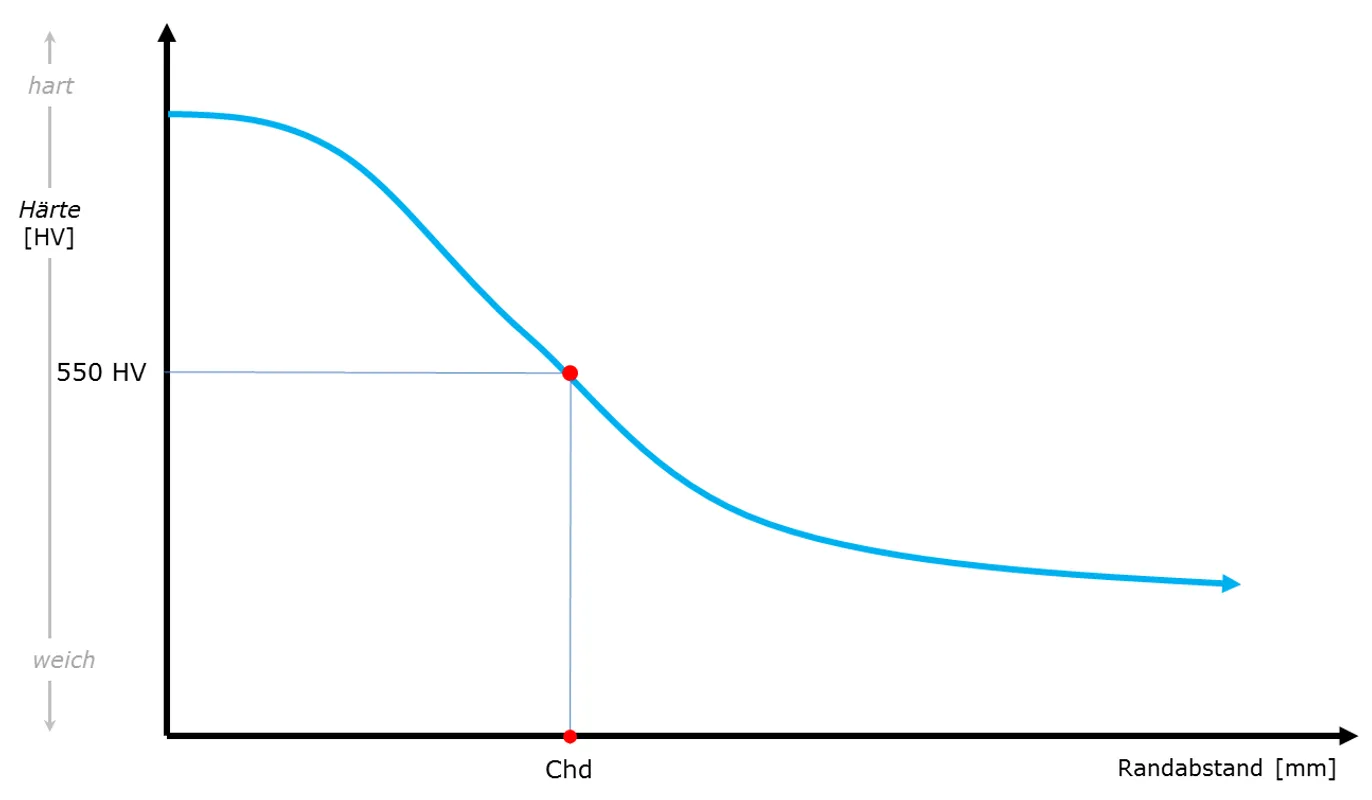
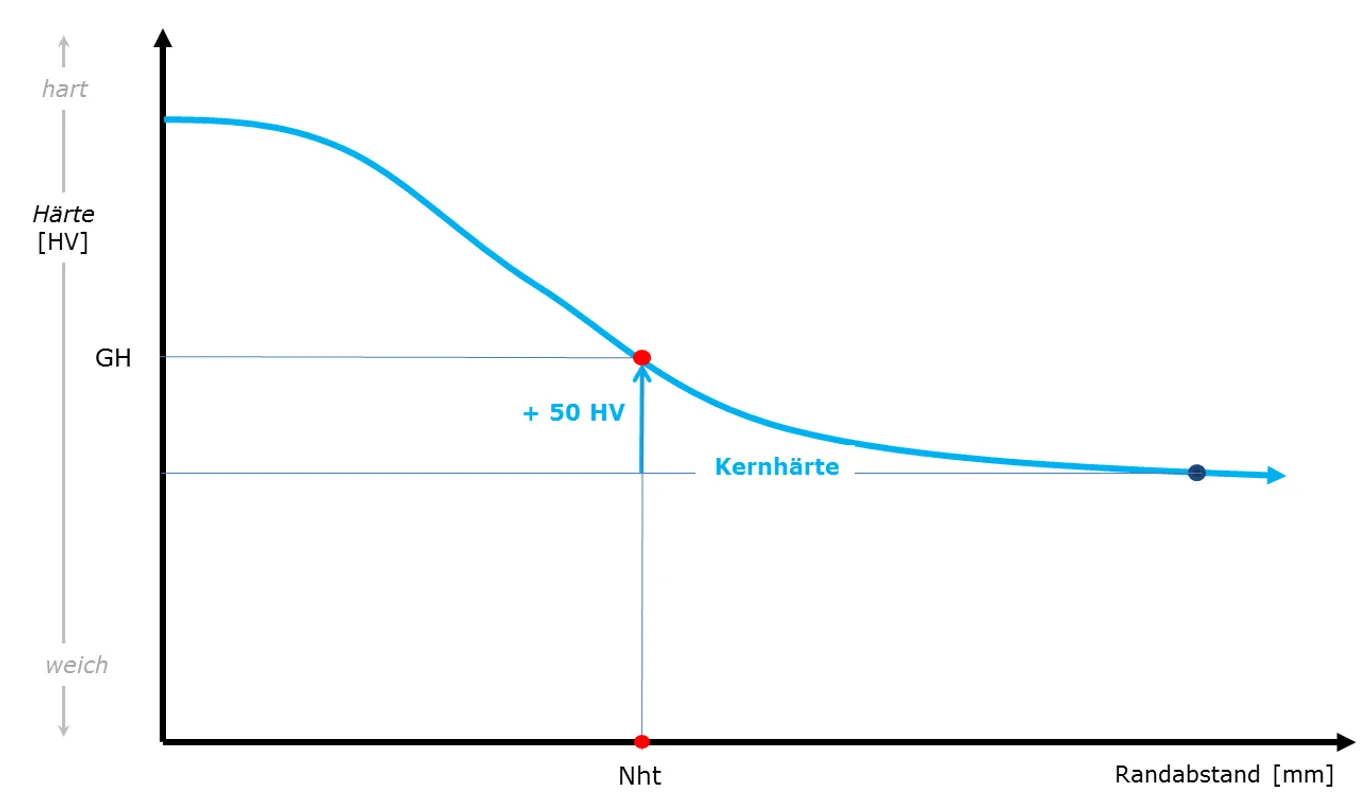
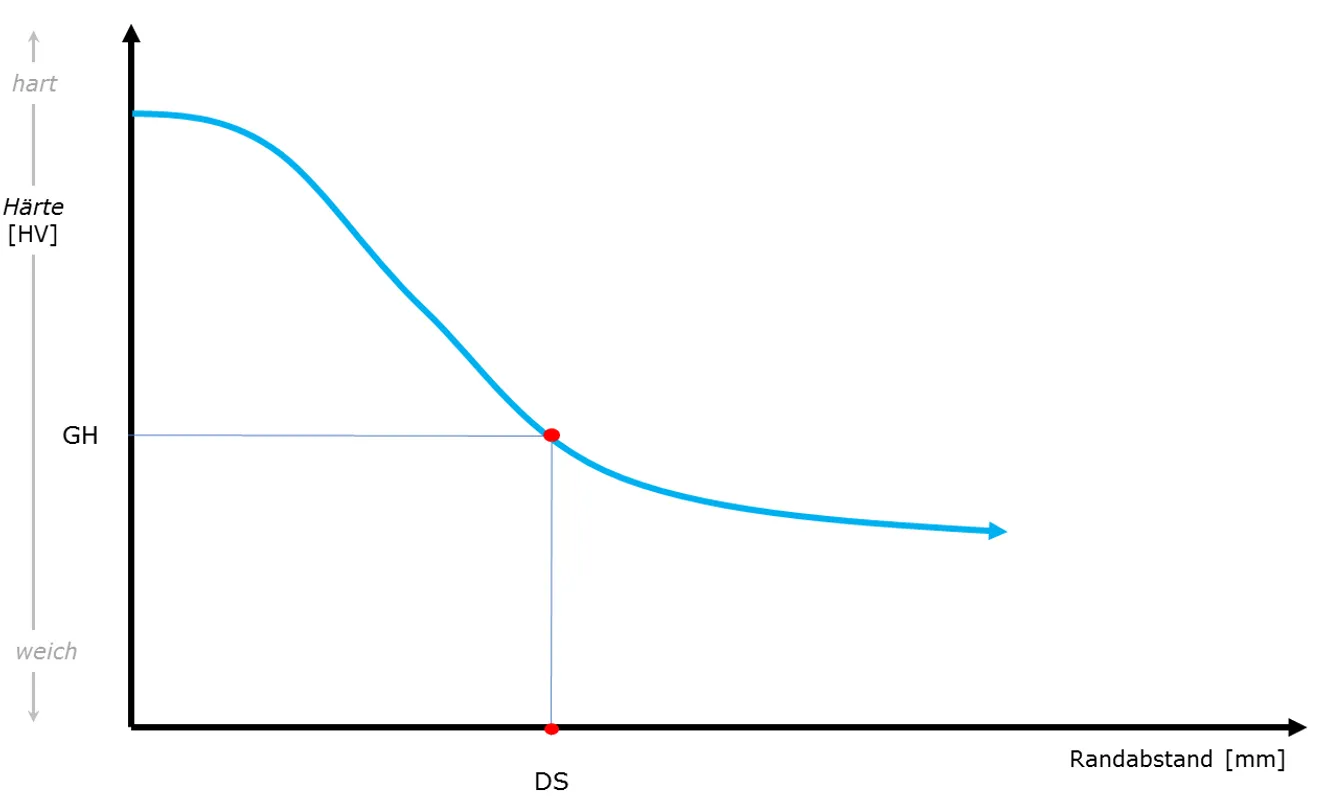
Here you will find general practical tips on hardness testing as well as useful information on the most common hardness testing applications such as progression measurements (CHD, NHT, RHT), hardness mapping, weld sample testing and other applications such as the Jominy test.
Hardness Mapping
Hardness mapping refers to the creation of a comprehensive hardness curve for a specimen or a specific area.
The hardness curve can be determined through the equal distribution of test points across the entire specimen. The result – the hardness map – can either be shown as a 2D colour image or a 3D diagram.
In a similar way to the FEM method, this quality of information and representation allows detailed statements to be made pertaining, for example, to specimen homogeneity or any imperfections in the specimen.
Welding Sample Test
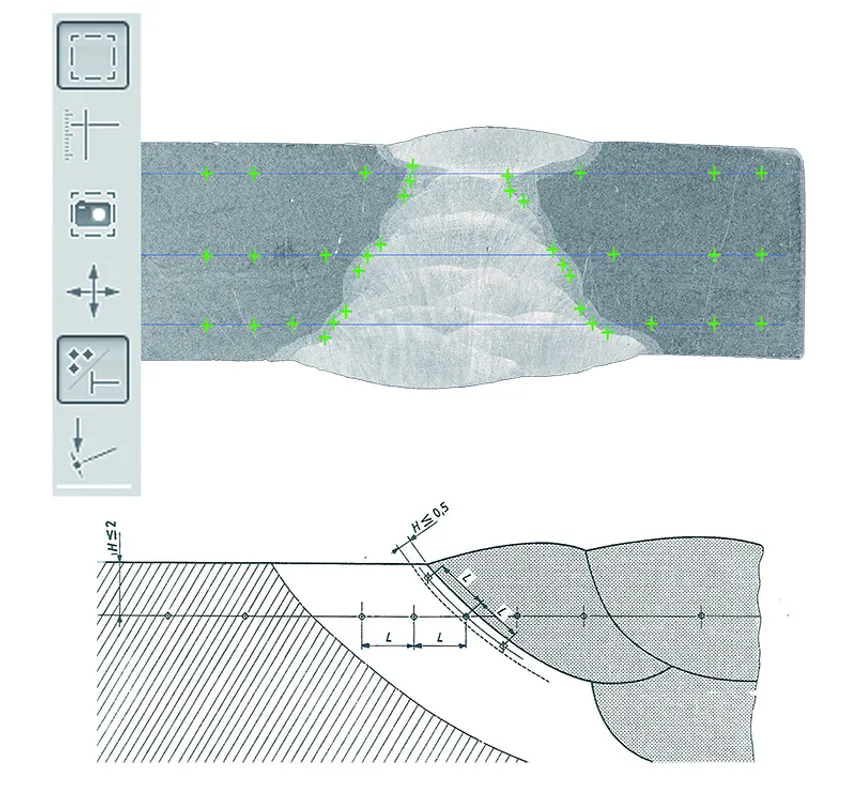
Standardized weld sample testing
Testing of weld samples is defined in standards ISO 9015 and ISO 22826.
ISO 9015 Part 1 describes hardness testing of arc-welded joints. Part 2 deals with micro hardness testing of welded joints.
ISO 22826 explains hardness testing of narrow joints welded by laser and electron beam.
find out more
The Jominy test, also known as the End-quench test, is a standardised method for determining the hardenability of steel in accordance with ISO 642 and ASTM A255.
The hardenability describes the ability of the steel to increase the hardness at the surface or throughout the workpiece by forming martensite or bainite.
The test procedure in compliance with DIN EN ISO 642 can be divided into four steps:
1. Creation of the shape and preparation of the specimen;
2. Heating of the specimen to a defined temperature in the austenitic range for a defined period;
3. Quenching of the specimen by spraying a controlled flow of water onto one end;
4. Testing of the hardness at defined points along the length of the partially ground specimen test surface.